
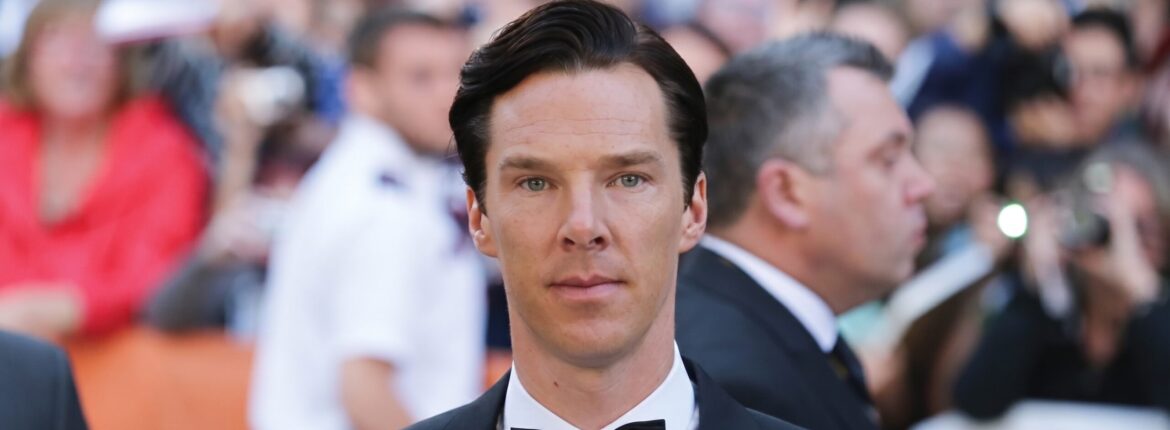
The paradox of the chameleon actor is one of the most compelling narratives in modern performance. We watch someone like Benedict Cumberbatch command a stage or screen with absolute authority—whether embodying the rapid-fire, clinical precision of Sherlock Holmes or the tortured brilliance of Hamlet. Under the lights, he seems invincible. Yet, the moment the curtain falls and the script is stripped away, a vulnerable reality often emerges: the agonizing friction of Rejection Sensitive Dysphoria (RSD) and intense social anxiety, where simply being oneself feels exposed, raw, and deeply painful.
To understand this duality is to understand the intense emotional architecture of the neurodivergent creative mind, a reality Cumberbatch himself has vividly put into words.
The Perfect Shield: The Mask of the Character
For an actor navigating the emotional dysregulation of RSD—the overwhelming, acute emotional pain triggered by the perception of rejection, criticism, or failure—the stage isn't a source of vulnerability. It is a refuge.
Inside a role, Cumberbatch has access to absolute structure:
- The Script: Every word is premeditated. There is no fear of the wrong syllable tumbling out or the mind going blank in a conversational loop.
- The Blocking: Every movement, step, and gesture is deliberate and rehearsed, removing the awkward paralysis of wondering how to present oneself.
- The Shield: The character acts as a total emotional buffer. If the audience judges the person on stage, they are judging the character, not the soul underneath.
In this hyper-focused state, the brain channels its intense energy into a brilliant, laser-sharp performance. The chaos of an overactive mind is neatly organized into the lines of a masterpiece.
The Paradox of Acceptance: "Deeply, Deeply Unfair"
The true crisis begins when the performance ends. At award ceremonies or committee-style interviews, the protective armor of the character is stripped away, and the actor is handed a terrifying directive: Just get up there and be yourself.
For someone with an RSD brain, that request can feel inherently cruel. Cumberbatch laid this bare during an acceptance speech at the GQ Awards, admitting to the crowd:
"Somebody said, 'Just get up there and be yourself.' I’d be in bed, you wouldn't know me... To ask me to stand up here and be myself is deeply, deeply unfair."
Without a script, the sensory and emotional floodgates burst open. The public eye becomes a minefield of potential missteps:
[ Rehearsed Script ]  -->  Confidence, Total Control, Precision
       vs.
[ Raw Self-Expression ] -->  Overwhelm, Sensory Flood, Hyper-Vigilance
In these moments, the verbal precision of the master actor can dissolve into a flurry of stammers, frantic self-soothing gestures, and apologetic asides ("Where was I? Oh, holy crap... I’ve been chosen to speak, which is alarming"). The physical toll is entirely visible; it is a nervous system pushed into an unscripted state of fight-or-flight under the gaze of thousands.
It is the ultimate irony of brilliance: the same hypersensitive nervous system that allows an artist to deeply feel and portray a character’s humanity also makes navigating their own public existence excruciatingly difficult.
The Tether in the Storm
When the room feels too loud and the internal panic threatens to completely hijack the brain, the mind instinctively searches for a grounding wire. For Cumberbatch, this vulnerability is often managed through a singular, quiet connection in the middle of chaotic Hollywood spaces.
At major events like the Oscars, he is frequently seen tightly holding the hand of his wife, Sophie Hunter. This isn't just a standard red-carpet pose; it is a physical tether. When the room is a swirling vortex of sensory overload and the threat of RSD looms, having a "safe place" in human form provides the baseline neurological signal that says you are safe here, even without a mask.
Ultimately, Cumberbatch’s public battle with these moments reminds us that genius and vulnerability are two sides of the exact same coin. The very sensitivity that makes an artist capable of touchingly profound, focused stage work is the same trait that makes the unscripted world feel overwhelming. True brilliance doesn't lie in being immune to the panic; it lies in the immense courage it takes to drop the character, step up to the microphone, and let the world see the raw, beautiful friction of just being human.