
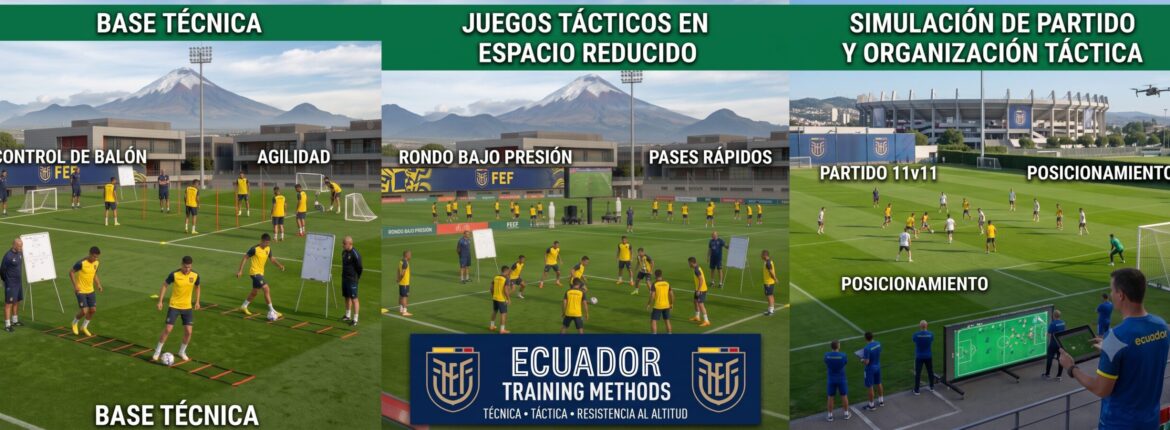
While Ecuador's senior national soccer team focuses on highly competitive professional play, the broader Ecuadorian soccer landscape has recently taken massive, pioneering strides to support and integrate neurodivergent athletes, including those with ADHD.
The standout initiative in the country is the creation of a dedicated league explicitly designed for neurodivergent youth.
The "Liga Prosperar" Initiative
Ecuador made history by launching its first-ever official soccer league specifically for children and teenagers with neurodivergent conditions, such as ADHD (TDAH in Spanish), Autism, and Tourette Syndrome.
Driven by the Fundación Liga Pro (the charitable arm of Ecuador’s top professional soccer league) in partnership with the Fundación Prosperar, this tournament mimics the exact structure of a professional league to give the young athletes a fully immersive experience.
- Professional Structure: The league uses official uniforms, formal protocol entrances, medical evaluations, and organized matches.
- The Goal: It aims to move away from isolated "therapy" models and provide true athletic belonging, allowing kids with ADHD to use the high-energy, fast-paced nature of soccer to build social skills, physical coordination, and emotional regulation in a safe environment.
- Expanding Reach: After successful initial rollouts, the tournament has expanded across major hubs like Quito, establishing a blueprint for accessible youth sports in South America.
Elite Level & Broader Sports Systems
At the professional and national team level, the approach shifts heavily toward psychological management. For elite Ecuadorian athletes, the focus is on managing the intense pressure, sensory overload, and mental fatigue that comes with high-altitude, high-intensity playing systems.
National sports frameworks in Ecuador have gradually integrated sports psychologists into youth academies to help players with executive dysfunction or focus challenges develop specialized routines to manage their training.