
When looking at how Norway approaches support for athletes with ADHD, the model shifts away from the elite-centric talent optimization of Brazil and the bureaucratic risk-mitigation of the US. Instead, Norway relies on its famous "Idrett for alle" (Sport for All) egalitarian framework, combined with massive, data-driven public health integration.
Norway treats organized sports not merely as recreation or a path to gold medals, but as an explicit national health and educational intervention for neurodivergent youth.
Here is how the Norwegian system handles ADHD in athletics:
1. The "Game Changer" Project: Sports as Medicine
While other countries debate whether ADHD is a gift or a deficit, Norway is busy using its massive national registries to study sports as a clinical alternative to medication.
- The NIPH Initiative: The Norwegian Institute of Public Health (NIPH), backed by the Kavli Trust, launched a major national study called Game Changer: Investigating ADHD and Sports Participation.
- Systemic Collaboration: The study actively unites ADHD Norge, Mental Health Youth, and the Norwegian Olympic and Paralympic Committee and Confederation of Sports (NIF).
- The Goal: By cross-referencing national health registries with the Norwegian Sports Federation’s membership databases, they are mapping out how structured club sports can explicitly replace or complement pharmaceutical treatment. They view the sports club as the ultimate environment to teach focus, adaptation to coaches, and rule-following—directly aiming to improve academic performance and prevent high school dropouts.
2. The Club System as a Social and Cognitive Anchor
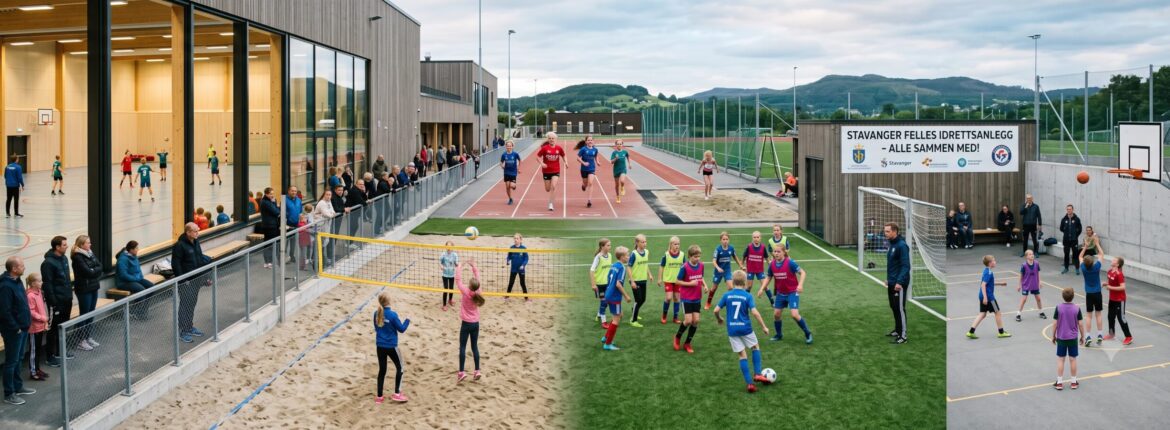
In Norway, over 80% of children participate in organized sports clubs (idrettslag). This hyper-local, community-driven framework acts as an organic support system.
- Egalitarian Structure: Unlike the highly selective, high-pressure academy models found in places like Brazil, Norwegian youth sports explicitly ban professionalized ranking or cutting of children before the age of 12. This stress-free environment prevents the early emotional dysregulation and rejection-sensitive dysphoria (RSD) that frequently drives ADHD kids out of sports.
- Coaching for Belonging: Rather than focusing purely on tactical mechanics, coaches in the NIF framework are trained to prioritize a "sense of belonging". For an ADHD child struggling socially in a rigid, sedentary classroom, the local sports club provides a secondary, high-movement social network where their energy is normalized, not penalized.
3. Clear-Cut Regulatory Pathways (Antidoping Norge)
Norway has one of the most transparent, stratified anti-doping systems in the world, ensuring that elite athletes who require first-line stimulant medications (like Ritalin or Aduvanz) face a clear, non-shaming path to compliance.
- Stratified TUE Rules: Antidoping Norge (ADNO) divides athletes into distinct tiers (International top-level, National top-level, and recreational/youth under 15).
- Protecting Young Athletes: Recreational and youth athletes under 15 face much simpler medical verification processes. This ensures that a teenager playing regional sports isn't buried under the same mountain of forensic psychiatric paperwork required for an Olympic biathlete, removing the bureaucratic barrier to entry for families.
- Clean-Sport Support: For national-team athletes under Olympiatoppen (the elite sport organization), team physicians seamlessly manage Therapeutic Use Exemptions (TUEs/Medisinsk fritak) directly with psychiatrists to ensure clinical stability balances perfectly with WADA regulations.
The Norwegian Takeaway: If the US model is defensive (protecting rights through accommodations) and the Brazilian model is performance-based (weaponizing hyperfocus on the pitch), the Norwegian model is integrative. They view the sports club as an extension of the healthcare and school system. By taking the pressure off early performance and researching sports as a structural alternative to medication, Norway is building an environment where the ADHD athlete doesn't have to choose between a "gift" or a "disorder"—they just get a place to belong.
What happens when children with ADHD take part in organized sports?