
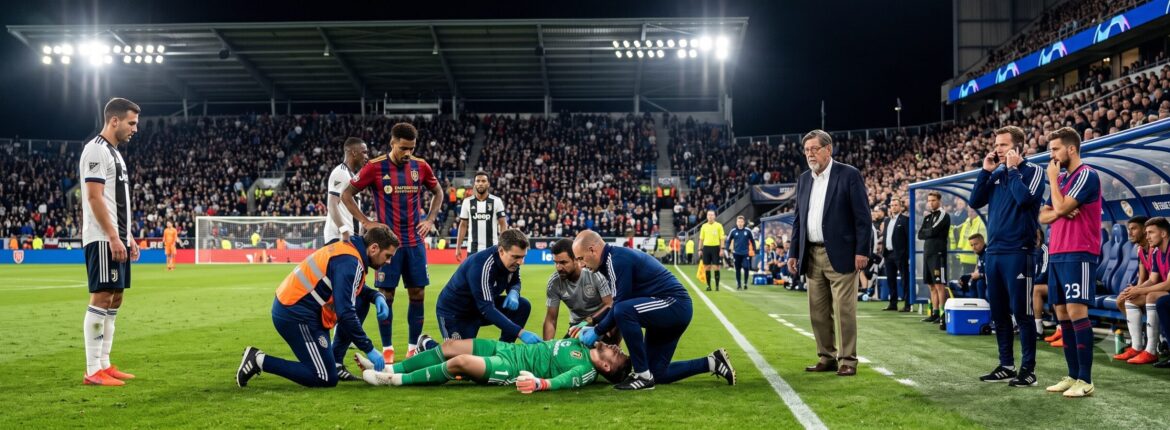
"...Two years ago there was nothing at all about the effects of aerobic exercise on ADHD. I had worked with dozens of people. Of course, who have treated their ADHD with exercise (the trade-off is one hour of aerobic exercise for 4 hours of performance that is at least the equal of stimulant medications). I got them when they got a serious injury and couldn’t exercise. From the outside it looked like a sudden onset of full-blown ADHD. The severity of the mpairments came from the fact that the exercise worked so well that they had no need to develop other compensating strategies for their ADHD."
That quote from Dr. William Dodson (a leading psychiatrist specializing in ADHD) gets straight to the heart of something many people with ADHD experience but rarely hear articulated: exercise isn't just "good for you"—for some brains, it functions exactly like a clinical dose of medication.
When he breaks down that formula, he is highlighting a profound neurological reality, along with a hidden vulnerability that catches people completely off guard.
Here is an expansion on what Dr. Dodson is talking about, structurally and neurologically:
1. The "1-for-4" Mechanism: How Exercise Mimics Stimulants
When Dr. Dodson mentions that one hour of intense aerobic exercise buys four hours of medication-level performance, he isn't exaggerating.
Stimulant medications work by increasing the availability of two key neurotransmitters in the brain: dopamine (which regulates motivation, reward, and focus) and norepinephrine (which handles attention and alertness).
Vigorous aerobic exercise acts like a natural, immediate release of that exact chemical cocktail. During a hard run, swim, or cycle, the brain is flooded with dopamine and norepinephrine. It also stimulates the release of BDNF (Brain-Derived Neurotrophic Factor), a protein that essentially acts like fertilizer for brain cells, improving learning and executive function. For about four hours post-workout, the ADHD brain is artificially brought into a state of chemical balance, allowing for calm, sustained focus.
2. The Trap of the "Accidental Coping Strategy"
The most fascinating part of Dodson's observation is the psychological trap.
Most people diagnosed with ADHD in adulthood have spent a lifetime building a complex scaffolding of coping mechanisms—planners, alarms, hyper-rigid routines, or anxiety-driven deadlines—just to keep their lives from unraveling.
But the natural athletes Dodson describes skipped that step. Because they loved soccer, running, or swimming, they accidentally medicated themselves perfectly every single day. They didn't need to learn how to force themselves to focus using planners or systems because their brains were naturally balanced by their lifestyle. They had zero symptoms, so they had zero scaffolding.
3. The Sudden Collapse (The Injury Pivot)
This is where the crisis happens. When an athlete who relies on exercise to manage their ADHD suffers a torn ACL, a broken bone, or a severe illness, their natural medication supply drops to zero overnight.
Suddenly, the brain is starved of the dopamine it relies on. Because they never built those conscious compensating strategies, the descent into ADHD symptoms is jarring and brutal. To the person (and their doctor), it looks like they suddenly woke up with a brand-new, severe cognitive disorder.
In reality, the ADHD was always there; it was just being brilliantly, silently managed by a daily sweat session.
The Takeaway: Dr. Dodson’s point isn't that exercise should completely replace medication, but rather that exercise is a powerful neurological intervention. If it is your primary tool, you have to treat it with the same respect as a prescription—and have a backup plan (like cognitive behavioral strategies or temporary medication) ready to go if you ever get sidelined.